

Introduction:
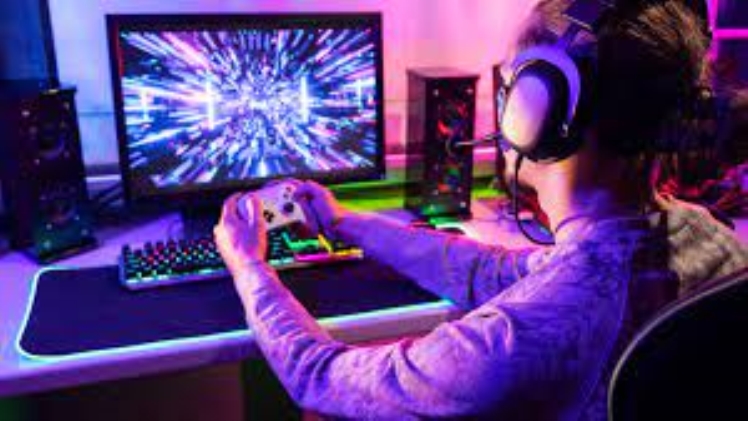
Online gaming amb, once dismissed as a mere source of entertainment, has undergone a transformative journey, emerging as a powerful platform for skill development. Far beyond the realm of escapism, these digital landscapes offer players the opportunity to hone a myriad of skills, ranging from strategic thinking and problem-solving to teamwork and adaptability. In this article, we delve into the multifaceted role of online gaming in fostering skill development and how it has become a playground for acquiring and refining valuable real-world competencies.
Strategic Thinking and Decision-Making:
At the heart of many online games jili slot lies a complex web of strategies, objectives, and challenges that require players to engage in critical thinking and decision-making. Games like chess, real-time strategy games, and multiplayer battle arenas demand players to anticipate opponents’ moves, plan ahead, and make split-second decisions. These experiences cultivate strategic thinking, a skill that transcends the virtual realm and proves invaluable in various real-life scenarios, including professional environments and personal decision-making.
Problem-Solving in Dynamic Environments:
Online games often present players with dynamic and unpredictable challenges, forcing them to adapt and devise creative solutions on the fly. Whether it’s navigating through a maze, solving intricate puzzles, or overcoming adversaries, players are constantly confronted with problems that demand resourcefulness and innovation. This aspect of online gaming mirrors the fast-paced, ever-changing nature of the modern world, where adaptability and problem-solving are highly prized skills.
Teamwork and Collaboration:
Multiplayer online games สล็อตเว็บตรง thrive on collaboration, requiring players to work together to achieve common objectives. Whether it’s coordinating strategies in a first-person shooter or managing resources in a massively multiplayer online role-playing game (MMORPG), effective teamwork is often the key to success. Online gaming provides a unique environment for individuals to develop interpersonal skills, learn to communicate efficiently, and appreciate the value of collaboration—an essential attribute in both professional and personal spheres.
Communication Skills and Global Interaction:
Engaging in online multiplayer games involves communication with teammates and sometimes opponents from diverse cultural backgrounds. Players must convey strategies, discuss tactics, and coordinate actions, fostering the development of effective communication skills. The global nature of online gaming platforms exposes individuals to a rich tapestry of perspectives and communication styles, enhancing their ability to connect with people from various walks of life.
Hand-Eye Coordination and Reflexes:
Many online games, especially those in the genres of first-person shooters and action games, require precise hand-eye coordination and quick reflexes. Players must navigate through virtual environments, aim accurately, and execute rapid responses to in-game stimuli. The development of these motor skills not only enhances gaming performance but can also have real-world applications, such as improved coordination in sports or heightened efficiency in tasks that require manual dexterity.
Time Management and Goal Setting:
Online gaming often involves complex narratives, quests, and achievements that require significant time investments. Players must learn to manage their time effectively to balance gameplay with other responsibilities. Moreover, setting and achieving in-game goals can translate into the cultivation of goal-setting habits in real life. Learning to prioritize tasks, allocate time efficiently, and pursue objectives methodically are skills that extend beyond the virtual world, contributing to personal and professional success.
Entrepreneurial and Economic Understanding:
Certain online games simulate economic systems and entrepreneurial endeavors. In games like SimCity or Eve Online, players engage in activities such as resource management, trading, and building virtual economies. These experiences provide a hands-on understanding of economic principles, supply and demand dynamics, and strategic planning—skills that can be applied to real-world business scenarios.
The Balance Challenge:
While the benefits of online gaming in skill development are evident, it is crucial to strike a balance between gaming and other aspects of life. Excessive gaming can lead to issues such as sedentary lifestyles, disrupted sleep patterns, and social isolation. Therefore, it’s essential for individuals, especially young players, to approach gaming responsibly, incorporating it into a well-rounded lifestyle.
Conclusion:
Online gaming has transcended its traditional role as a form of entertainment to become a dynamic arena for skill development. From fostering strategic thinking and problem-solving to promoting teamwork and communication, the lessons learned in the virtual world have tangible applications in real-life scenarios. As technology continues to evolve, the potential for online gaming to serve as a platform for acquiring and refining essential skills is bound to grow, making it an increasingly relevant and valuable aspect of personal and educational development.
